
In the ever-evolving world of graphic design, trends come and go, but some elements stand the test of time. Bold typography and hand lettering are two such trends that have resurged in popularity in recent years, captivating designers and audiences alike with their expressive and distinctive qualities.
Bold typography, characterized by large, striking fonts with strong, thick strokes, has become a go-to choice for designers looking to make a statement. Whether it’s for branding, advertising, or editorial design, bold typefaces grab attention and convey a sense of confidence and energy. From sleek sans-serifs to playful display fonts, designers have a vast array of options to choose from, allowing them to tailor their typography choices to suit the tone and message of their designs.

Image designed by Folk Estudio
Hand lettering, on the other hand, offers a more personalized and artisanal approach to typography. Unlike traditional fonts, hand lettering involves creating custom letterforms by hand, resulting in unique, one-of-a-kind designs. Each letter is meticulously crafted to reflect the artist’s individual style and personality, adding a human touch to design projects. Hand lettering has found its way into branding, packaging, signage, and beyond, as brands and designers seek to differentiate themselves with custom-crafted typography that stands out in a crowded digital landscape.
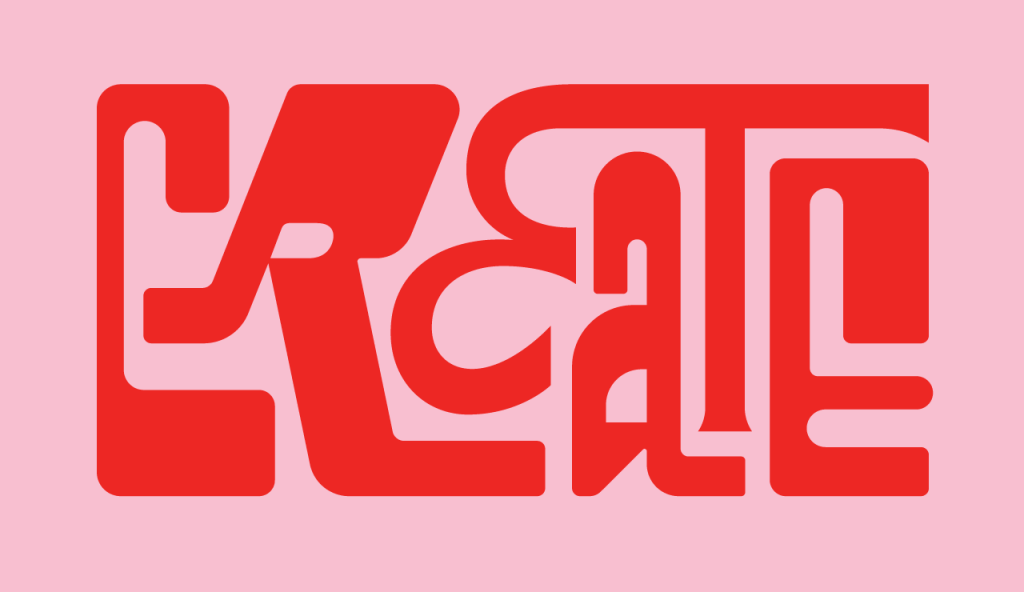
Image designed by Rafael Serra aka FAEL
So, why are bold typography and hand lettering trending in graphic design? One reason is their ability to evoke emotion and personality in designs. Bold typefaces command attention and convey a sense of authority, while hand-lettered designs add warmth and authenticity. In an age where authenticity and individuality are highly valued, these typographic styles resonate with audiences on a visceral level, creating memorable and impactful experiences.
Moreover, bold typography and hand lettering offer designers a means of breaking free from the constraints of traditional typography. With bold typefaces, designers can play with scale, color, and composition to create visually dynamic layouts that capture attention. Hand lettering, meanwhile, allows for endless experimentation with form, texture, and style, resulting in designs that feel fresh, original, and decidedly human.
In conclusion, bold typography and hand lettering have emerged as powerful tools in the modern graphic designer’s arsenal. Their ability to command attention, evoke emotion, and add a personal touch to designs makes them invaluable assets in today’s visual landscape. Whether used independently or in combination, bold typography and hand lettering are sure to continue leaving their mark on the world of graphic design for years to come.

 Zippy Graphics
Share your thoughts!